



How to make vermicompost at home: Step-by-step guide






टेबल ऑफ कंटेंट
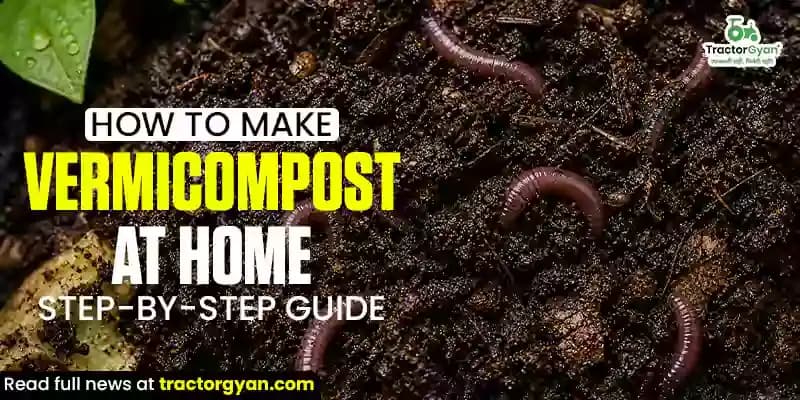
Vermicomposting is one of the simplest methods that will help you convert kitchen waste into a fertile manure for plants. You can easily manage the kitchen waste and prepare organic manure for your farms at zero cost. Today, let’s learn about making vermicompost at home.
What is Vermicompost?
Vermicompost is organic manure made with the help of earthworms. The earthworms feed on kitchen and plant waste such as fruit peels, vegetable scraps, dry leaves, and many easily decomposable materials.
When earthworms digest these materials, they produce worm castings, and this casting is known as vermicompost.
What are the benefits of vermicomposting?
Vermicompost can be helpful for household gardeners and small-scale farmers, as well as people wishing to cut down on waste products. Utilising vermicompost leads to numerous advantages, including:
- Improved soil structure and aeration
- Increased water-holding capacity
- Adding extra natural nutrients to the soil
- Healthy root growth
- Better kitchen waste management
Which materials are required for vermicomposting?
- A bin with tiny holes for aeration that is either plastic, wooden, or concrete.
- Red wigglers or another type of worm capable of composting.
- Dry leaves, paper shreds, or coconut coir for bedding.
- Kitchen waste.
- Soil or compost for the growth of microorganisms.
- A water sprayer to retain moisture.
- An airy lid, a jute bag, or a piece of cloth to cover the box
How to Make Vermicompost at Home?
Making vermicompost at home is an easy job. Follow these steps carefully.
- Choose the right bin: Use a bin with small holes for air flow. A 15 to 20-litre bin is enough for a small family. Keep it in a shaded place away from the sun and rain, like a farm shed, balcony corner, or backyard.
- Prepare the bedding: Add a 3 to 4-inch layer of dry leaves, shredded cardboard, coconut coir, or old compost. Sprinkle water lightly. The bedding should feel like a squeezed sponge.
- Add worms: Add composting worms on top of the bedding. Red wigglers are the best choice for home vermicomposting. Do not use deep soil earthworms from random fields. They may not work well in a compost bin. After adding worms, cover the bin with a wet jute sack or breathable lid.
- Add kitchen waste slowly: Start with small amounts of chopped vegetable and fruit waste, and avoid salty and spicy leftovers. Bury the waste under the bedding. This helps control smell and flies. Feed only when the older waste is partly eaten.
- Maintain your bin: Check the bin after 3 to 4 days. If there is a bad odour coming from the bin,
- Stop feeding it for several days.
- Add some dry leaves or shredded paper.
- Stir the upper layer.
- Check drainage.
- Harvesting the vermicompost: It normally takes 45 to 60 days to produce vermicompost. It is considered vermicompost once it is dark, crumbly, and earthy-smelling without any visible food material. To harvest:
- Push the mature compost to one side.
- Feed the worms with fresh food at the other end.
- Give the worms time to migrate. After a few days,
- Collect the vermicompost.
Quick Links






How to Use Vermicompost in Your Garden?
There are many ways in which you can use vermicompost in your garden. You can use it:
- Use it as a top dressing by spreading it around the base of plants and mixing it lightly into the topsoil.
- Mix it with garden soil, coco peat, and sand before filling pots.
- In vegetable beds, before sowing seeds or transplanting seedlings, improve soil fertility.
Why Choose Tractor Gyan?
Tractor Gyan is India’s most trusted agritech platform, helping farmers and buyers make better decisions with clear tractors, tyres, implements and farming information, so that you can make the right choice by saving cost
कैटेगरी



और ब्लॉग पढ़ें

Farming is not only a profession but also the backbone of the Indian Economy. The government has been running many schemes for our farmers for years, but a common problem was that the help did not reach the right people.
To overcome this...
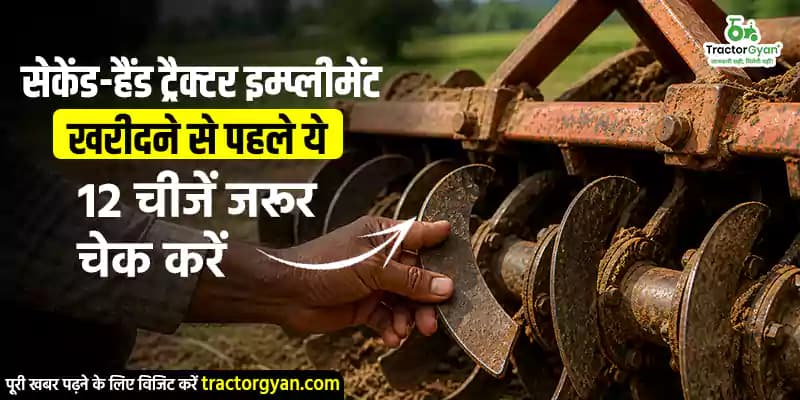
खेती में ट्रैक्टर जितना जरूरी है, उससे कहीं ज्यादा काम उसके पीछे लगने वाले इम्प्लीमेंट्स करते हैं। रोटावेटर हो, कल्टीवेटर हो या डिस्क हैरो, असली मेहनत यही मशीनें करती हैं। पर इन नए इम्प्लीमेंट्स की कीमत हर साल बढ़ती जा रही है।
ऐसे...

Buying a tractor is probably one of the biggest investments a farmer makes. It's not just a machine; it's a partner that's going to stay on the farm for years. Hence, the tractor price is also very crucial.
When you see the...
इसके बारे में अपनी टिप्पणी लिखें How to make vermicompost at home: Step-by-step guide
.webp&w=1920&q=75)
ट्रैक्टर और कृषि से जुड़े सबसे अधिक खोजे जाने वाले ब्लॉग्स
.webp&w=2048&q=75 "Top 10 Tractor brands in india")
13 Apr 2026

18 Dec 2025

29 Jul 2025

08 Sep 2025

03 Jul 2025

30 Jul 2025

30 Jul 2025

30 Jul 2025

29 Jul 2025

30 Jul 2025

09 Feb 2026
.webp&w=2048&q=75 "Top 10 tractors under 5 Lakhs")
19 Mar 2026
.webp&w=2048&q=75 "Top 12 agriculture tools in India")
18 Dec 2025

26 Dec 2025
How to make vermicompost at home: Step-by-step guide के बारे में अक्सर पूछे जाने वाले प्रश्न
Vermicompost is made using earthworms that convert organic waste into nutrient-rich compost. The process is simple: 1. Prepare a container or pit with good drainage 2. Add bedding material like dry leaves, straw, or shredded paper 3. Add organic waste such as kitchen scraps, vegetable peels, and cow dung 4. Introduce earthworms (like Eisenia fetida) 5. Maintain moisture (keep it damp, not wet) 6. Turn lightly if needed and keep in shade 7. Harvest after 45–60 days when compost turns dark and crumbly
Main ingredients include cow dung, kitchen waste, dry leaves, and water. These materials feed earthworms and help produce nutrient-rich compost.
Use a container with layers of dry leaves and kitchen waste. Mix regularly and keep it moist; compost forms in 40–60 days.
Vermicompost is richer in nutrients and works faster for plant growth. Cow dung is useful but releases nutrients slowly.
Dark, crumbly, and odor-free vermicompost is the best quality. Compost made using red worms (Eisenia fetida) is considered ideal.