



Mulcher

Filter By
Filter By
Mulcher Implements
 The tractor mulcher price ranges Rs. 1,25,000* to Rs. 3,10,000* in India 2026. A tractor mulcher is crucial for modern farming as it contributes towards improved efficiency and soil health by cutting weeds and mixing organic matter into the soil properly. Farmers have a wide range of mulcher models to choose from including Shaktiman Rotary Mulcher, Gomselmesh Mulcher, Fieldking Rotary Mulcher, New Holland Shredo, and Mahindra Mulcher 160.
The mulcher HP range of leading models is 30 HP to 80 HP. TractorGyan can help you find ideal models from leading mulcher brands like Mahindra, New Holland, Fieldking, Shaktimaan, and Lemken. These brands offer mulchers in various categories such as rotary, flail, offset, rotary, and stump mulchers.






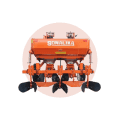
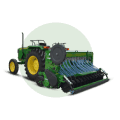
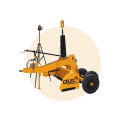


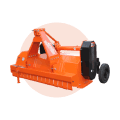











Popular Implements



Inquire About Mulcher Implement Price


Implement By Category
Mulcher Implement News & Updates

What is Mulching? Types, Benefits, and Tools Required
Have you ever seen a farm and wondered why the ground is covered in plastic sheets or a layer of dry straw? It's not just for looks or keeping things…


Frequently Asked Questions About Implements Mulcher
Mulcher prices in India range from ₹80,000 to ₹3,50,000 depending on type (tractor-mounted, offset, self-propelled) and cutting width. TractorGyan lists 15+ models from brands like Vishal, Fieldking, Shaktimaan, and Lemken.
A mulcher shreds crop residue, weeds, cover crops, and orchard prunings into fine particles that decompose into the soil as organic matter — improving soil health and eliminating the need to burn residue.
Tractor-mounted mulchers generally require 40–80 HP tractors with rear PTO. Offset mulchers for orchard use need 55–75 HP for effective side-shift operation and ground coverage.
Yes. Running a mulcher over paddy stubble before ploughing chops it into 3–5 cm pieces, dramatically speeding up decomposition and making subsequent tillage operations easier and fuel-efficient.
Vishal, Fieldking, and Lemken offset mulchers are popular for mango, grape, and citrus orchards. Lemken's offset mulcher is the premium choice for precision orchard floor management.
Standard tractor-mounted mulchers have cutting widths of 1.2–2.0 metres. Offset models for orchards typically have 1.2–1.5 metre cutting widths with side-shift capability to work under tree canopies.
Yes. Mulchers are used in sugarcane fields to shred the dry trash (dried leaves) remaining after harvest. Mulched sugarcane trash becomes valuable organic matter that improves soil structure and reduces irrigation requirements.
Yes. Mulchers are covered under SMAM and CRM scheme subsidies. Subsidies of 40–50% are available for eligible farmers. Mulchers are especially promoted in paddy and sugarcane-growing states as a stubble burning alternative.
Key maintenance: regularly inspect and replace worn or damaged blades, grease all rotor bearings, check and adjust drive belt tension, clean grass and crop residue from the rotor housing after each use to prevent overheating.
Tractor Gyan at tractorgyan.com/tractor-implements-in-india/mulcher lists all available mulcher models with brand, HP compatibility, cutting width, and 2026 pricing for easy comparison.
















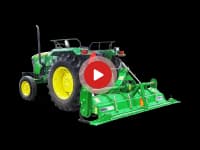

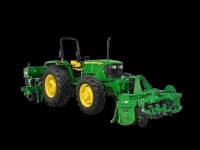

Overview of Mulchers in India
Buying the best mulcher in India helps farmers to resolve the problem of crop residue from crops like wheat, paddy, and maize. It shreds the residue on the spot into small particles and evenly distributes them on the ground.
What is a Mulcher?
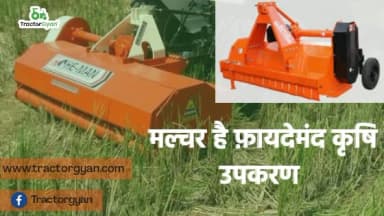
A mulcher is an agricultural implement that is operated using the power take-off (PTO). It is used for cutting crop residue, weeds, grass, bushes, and stalks into small bits. It features a robust frame, gearbox, PTO shaft, rotor, blades, side skids, and even a roller.
How Does a Mulcher Work?
The way a mulcher works is quite simple.
- The power take-off shaft from the tractor drives the mulcher gearbox.
- The gearbox drives the high-speed rotor.
- The flails and knives mounted on the rotor rotate at very high speeds.
- The stalks and residue hit repeatedly.
- The debris gets cut into small pieces.
- The finely cut debris gets spread evenly.
- The soil bacteria decompose the organic matter.
Mulcher vs Straw Reaper vs Baler
Many farmers confuse mulchers, straw reapers, and balers. But each has a different purpose.
| Implement | Main Purpose | Residue Outcome |
|---|---|---|
| Mulcher | Shred residue in the field | Remains on the soil |
| Straw Reaper | Collect loose straw | Used as fodder |
| Baler | Compress straw into bales | Sold or transported |
Key Technical Specifications of a Mulcher
- Typical sizes include 1.2m, 1.5m, 1.8m, 2.1m, 2.4m, and 3.0m.
- Popular blade designs include Y-blades, hammer blades, and swinging flails.
- The common HP requirement is 20-50 HP.
Benefits of Mulching for Soil Health and Weed Control
- Mulching provides long-term soil benefits.
- Residue decomposes naturally.
- The mulch layer reduces evaporation.
- Mulch blocks sunlight.
- Mulch protects topsoil from rain and wind.
- Organic residue supports beneficial soil organisms.
Mulcher Price in India 2026
Mulcher price ranges from 1.25 lakh* to 3.50 lakh* depending on the working width, blade configurations, rotor design, build quality, and brand of the mulcher.
Width
| Width | HP Requirement | Expected Price Range |
|---|---|---|
| 1.2-1.5 m | 35-45 HP | ₹1.25 lakh*-₹1.75 lakh* |
| 1.8 m | 45-55 HP | ₹1.60 lakh*-₹2.10 lakh* |
| 2.1-2.4 m | 55-75 HP | ₹2.00 lakh*-₹2.80 lakh* |
| 3.0 m | 75-90 HP | ₹2.75 lakh*-₹3.50 lakh* |
Best 5 Mulchers in India 2026
Here are the best 5 mulchers in India.
Fieldking Mulcher
Fieldking mulchers are known for strong build quality and wide dealer support.
- Working Width: 1650-2200 mm
- HP Requirement: 40-80 HP
- No. of Blade Type: 96-132
Shaktimaan Mulcher
The Shaktimaan mulcher is popular among paddy and wheat growers.
- Working Width: 1650-2210 mm
- HP Requirement: 4580 HP
- Blade Type: Y-Blade and Straight
Landforce Mulcher
The Landforce mulcher is suitable for medium to heavy residue.
- Working Width: 1750-2250 mm
- HP Requirement: 45-65 HP
- Blade Type: Y Type/Hammer
Sonalika Jaguar Mulcher
A well-managed sugarcane ratoon crop develops stronger roots and delivers higher yields.
- Width: 1380-2170 m
- HP Requirement: 40-55+ HP
- Blade Type: Y Type/Hammer
John Deere GreenSystem Mulcher
The Indo Farm mulcher is a good option for mixed farming operations.
- Overall Width: 1020 mm
- HP Requirement: 50-55 HP
- Blade Type: Y and I Blade
Types of Mulchers and Their Applications
- Flail Mulcher: Used for residues of wheat, paddy, maize stalks, and grass.
- Disc Mulcher: Used for tough residues like sugarcane, sunflower stalks, and thick maize stalks.
- Offset Mulcher: Used for orchards where grass and residues can be chopped near tree lines.
- Verge or Roadside Mulcher: Used for farm borders, canal sides, and roadside vegetation.
- Heavy Duty Mulcher: Used for sugarcane fields, bush clearance, and rough-ground vegetation.
Mulcher Blade Types
- Y-Blade: This is best suited to light residue and gives a clean cut while requiring less tractor power.
- Hammer Flail: This is best suited to heavy residue and tough stalks.
- Fixed Blade: This is best suited to fast and precise cutting in commercial use cases.
Mulcher Buying Guide: Crop & Purpose Specific
- Select the type of mulcher according to the type of soil on your farm.
- Identify the crop before purchasing, since various types of residue are generated by various crops.
- Purchase a more robust mulcher if your fields contain large amounts of residue.
- Ensure that the mulcher is compatible with the horsepower and PTO of your tractor.
Choosing the Right Mulcher for Your Farm Size
- Small Farms: A 1.2–1.5 m mulcher works well with a 35–45 HP tractor.
- Medium Farms: A 1.8–2.1 m mulcher is ideal for farms using a 45–60 HP tractor.
- Large Farms: A 2.4–3.0 m mulcher is best suited for farms with 60–90 HP tractors.
Tractor HP Requirements for Mulchers
Here are the common HP requirements for mulchers.
| Mulcher Width | Recommended Tractor HP |
|---|---|
| 1.2 m | 35-40 HP |
| 1.5 m | 40-50 HP |
| 1.8 m | 45-55 HP |
| 2.1 m | 55-70 HP |
| 2.4 m | 65-80 HP |
| 3.0 m | 75-90 HP |
Mulching vs Burning
Here is what you should know about mulching vs. burning.
| Mulching | Burning |
|---|---|
| Returns nutrients to the soil | Causes nutrient loss |
| Increases soil organic matter | Reduces soil organic carbon |
| Helps retain moisture | Increases moisture loss |
| Improves soil structure | Can damage soil quality over time |
| Supports beneficial soil microbes | Reduces microbial activity |
| Produces minimal pollution | Causes air pollution and smoke |
| Environment-friendly practice | Higher environmental impact |
How Many Acres Per Hour Can a Mulcher Cover?
On average, a mulcher can cover 1.5 to 4 acres per hour.
Second-Hand Mulcher Buying Guide
Check these carefully when you plan to buy a second-hand mulcher in India.
- The blades should be examined for cracks, defects, and uneven wear prior to purchase.
- Ensure that there is no excessive vibration, noise, or loose connections on the rotor shaft.
- The gearbox oil seal and input shaft should be inspected for any leaks, defective seals, or worn shafts.
- Check if they have been worn out since they might require expensive repairs.
- Purchase a second-hand mulcher only when the major components are in working order.
Mulcher Maintenance Guide
- Check blades, PTO lubrication, and bolt tightness before use.
- Grease bearings, check gearbox oil, and inspect belts.
- Replace blades when cutting quality drops or blades become thin or cracked.
- Balance the rotor after blade replacement to avoid vibration and gearbox damage.