



Harrow

Filter By
Filter By
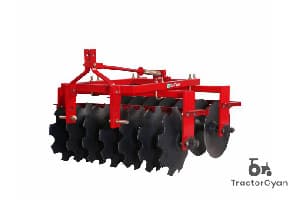

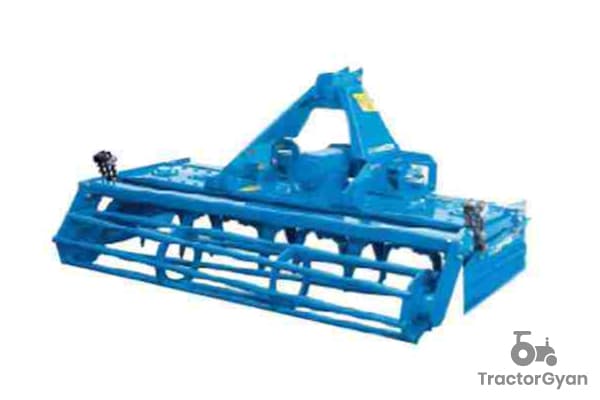
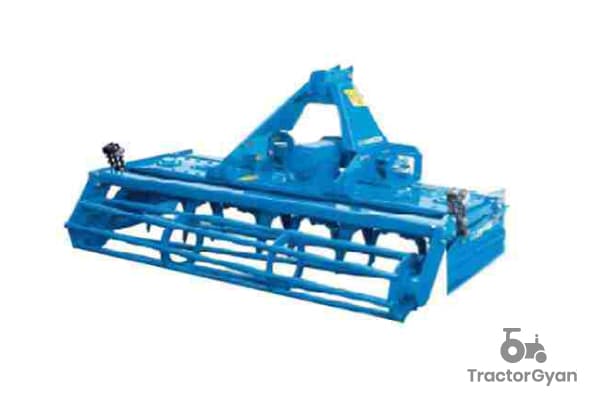
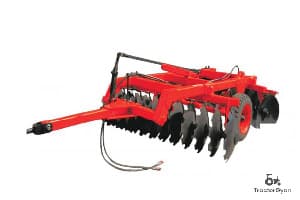
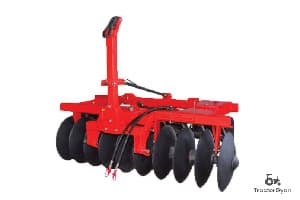
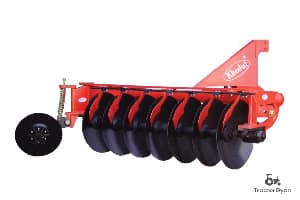
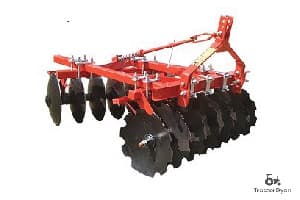
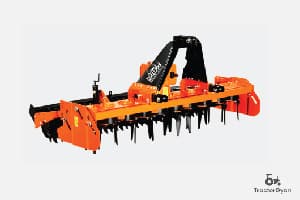
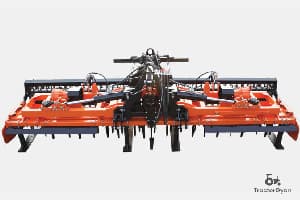
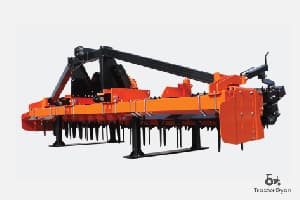
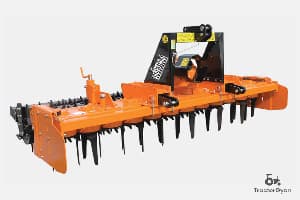
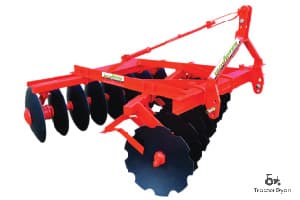
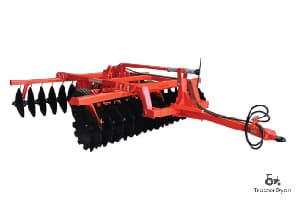
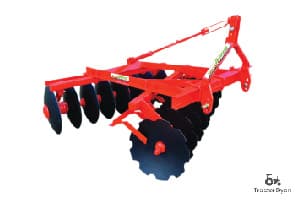
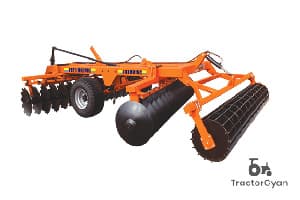
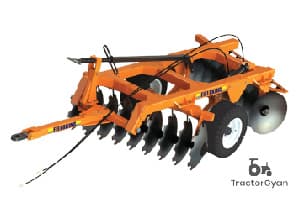
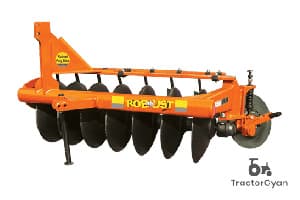
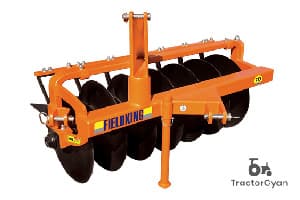
Harrow Implements
 Harrow helps in weed control, moisture retention, and mixing fertilisers evenly into the soil. It is an essential agricultural implement used to break up and smooth soil after ploughing, creating a fine seedbed for planting. Harrow implements price ranges between Rs. 45,000* to Rs. 71,000*. Tractor Gyan has over 100+ harrow models listed for your reference. The popular types of harrows available for farmers include disc harrow, drag harrow, chain harrow, and spring-tooth harrow.
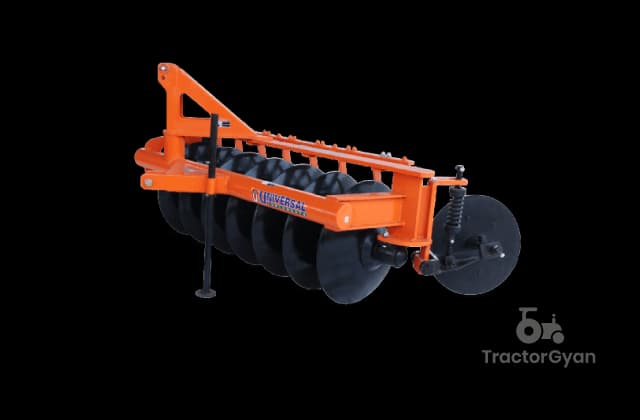
Some leading harrow implement models are the Universal U-series Mounted Offset Disc Harrow, Sonalika Compact Disc Harrow, Captain Disc Harrow, Lemken Perlite 5-200, and Khedut Poly Disc Harrow.














Popular Implements
10.7 litres
6 Forward 2 Reverse, 4 Tilling
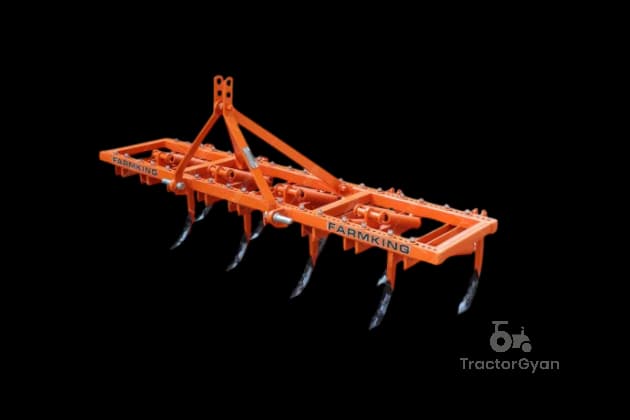

Inquire About Harrow Implement Price


Implement By Category
Harrow Implement News & Updates
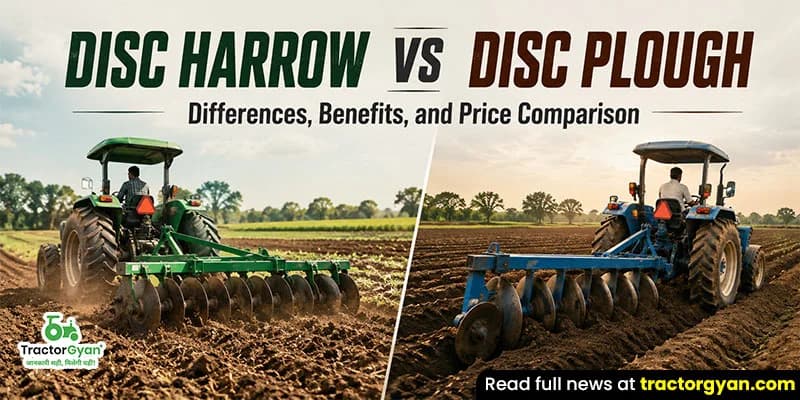
Disc Harrow vs Disc Plough: Differences, Benefits, and Price Comparison
The right tillage implement conserves fuel and enhances soil preparation. A disc plough and a disc harrow are similar in that they each have steel discs, but they have different…




Updates About Harrow Implement
Frequently Asked Questions About Implements Harrow
A standard disc harrow works at 8-15 cm depth. Heavy-duty offset disc harrows can reach 18-20 cm. Working depth is adjustable via the weight tray or hydraulic system.
For stubble incorporation, a heavy-duty tandem disc harrow with large-diameter (20-24 inch) concave discs is most effective. Running two cross-direction passes helps chop and mix stubble thoroughly into the topsoil.
A spike-tooth harrow has rows of rigid spike teeth that level, break clods, and firm the seedbed after disc harrowing. It is used as the final soil preparation step before seeding, creating a uniform surface for better seed-to-soil contact.
Yes. A disc harrow is effective for killing emerged weeds and mixing their roots into the soil before planting. It is widely used for fallow weed management in kharif-rabi rotations, helping reduce weed seed banks over multiple seasons.
Key maintenance: lubricate all disc bearings regularly, check disc blade sharpness and replace worn/cracked discs, inspect scraper blades, tighten all bolts after 10-15 hours of work, and store raised off the ground to prevent rust.
Working width ranges from 1.5 metres (16-disc light harrow) to over 4 metres for heavy-duty models. Wider harrows complete field operations faster but require higher HP tractors and may be difficult to transport on narrow village roads.
For orchard floor management, an offset disc harrow is ideal as it works alongside tree rows without the tractor running over roots. Compact models from Fieldking and Captain suit mango, guava, and citrus orchards in Maharashtra, UP, and Gujarat.
Typically 2-3 passes at different angles (cross-directions) are needed for an ideal seedbed after primary ploughing. In sandy or light soils, 1-2 passes may be sufficient. Heavy clay or black cotton soil may need 3-4 passes.
Lemken disc harrows feature precision-crafted notched or plain discs with self-sharpening design and sealed bearings that reduce maintenance. They are ideal for large commercial farms where downtime is costly.
Visit Tractor Gyan at tractorgyan.com/tractor-implements-in-india/harrow for a complete listing of 70+ disc and spike harrow models with HP requirements, disc count, brand comparisons, and updated 2026 pricing.
Tractor harrow prices in India typically range from ₹30,000 to ₹2,50,000 depending on disc count, size, and brand. TractorGyan lists 70+ harrow models including disc harrows from brands like Fieldking, Lemken, Mahindra, and Universal
A disc harrow is used for secondary tillage after ploughing, it cuts, mixes, and levels soil, incorporates crop residue, and destroys surface weeds. It prepares a fine seedbed suitable for most crops including wheat, paddy, maize, and vegetables
A tandem disc harrow has two gang sets in-line, best for general seedbed preparation on flat, open fields. An offset disc harrow has its discs angled sideways, ideal for orchard floors and areas where the tractor must work alongside a tree line or fence
A standard 24-disc harrow requires 45-65 HP. Heavy-duty hydraulic disc harrows like the Universal Heavy Duty model (65-190 HP) require significantly higher HP for large-scale commercial farming operations.
A hydraulic disc harrow uses the tractor's hydraulic system to adjust disc angle and working depth while in motion. This offers superior field control, uniform tillage depth, and faster headland adjustment compared to mechanical harrows.
















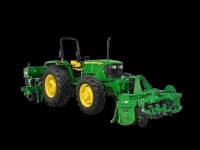

Overview of Harrows in India
A harrow is one of the most widely used tillage implements in Indian agriculture. It is primarily used for breaking soil clods, leveling the field, incorporating crop residues, and preparing a fine seedbed before sowing. Farmers use harrows after primary tillage operations, such as ploughing, to improve soil structure and create favourable conditions for seed germination.
What is a Harrow?
A harrow is a secondary tillage implement equipped with multiple discs or tines mounted on a frame. These discs cut, loosen, pulverise, and mix soil while breaking large clods left behind after ploughing.
The implement helps create a smooth and uniform seedbed, which is essential for proper seed placement and crop establishment.
How Does a Harrow Work?
A harrow is attached to a tractor through a three-point linkage or drawbar. As the tractor moves forward, the discs rotate and penetrate the soil. The rotating discs:
- Break soil clods into smaller particles
- Mix crop residues with the soil
- Control weeds and volunteer plants
- Improve soil aeration
- Level uneven land surfaces
- Prepare the field for sowing operations
The depth and aggressiveness of the operation depend on the disc diameter, disc angle, soil conditions, and tractor horsepower.
Harrow vs Rotavator - When to Use Which?
| Feature | Harrow |
|---|---|
| Working Method | Uses rotating discs |
| PTO Requirement | No PTO required |
| Fuel Consumption | Lower |
| Best Use | Clod breaking and residue incorporation |
| Maintenance | Comparatively lower |
| Soil Disturbance | Moderate |
| Suitable After Ploughing | Excellent |
Key Technical Specifications
The technical specifications of a harrow generally include:
- Disc Diameter: 16-24 inches
- Number of Discs: 8-36 discs
- Working Width: 1.2-3.5 meters
- Working Depth: 100-200 mm
- Tractor Power Requirement: 35-90 HP
- Frame Type: Mounted, Trailed, Offset, or Tandem
- Bearing Type: Ball or Taper Roller Bearings
Benefits of Harrowing Before Sowing
Using a harrow before sowing offers several agronomic advantages:
- Creates a uniform seedbed for better germination
- Breaks hard soil clods effectively
- Improves soil aeration and water infiltration
- Controls weeds during land preparation
- Incorporates crop residues and organic matter
- Reduces moisture loss from the soil surface
- Enhances seed-to-soil contact for improved crop establishment
- Helps level the field for uniform irrigation
Harrow Price in India 2026
The price of a harrow in India depends on factors such as disc size, number of discs, frame design, brand reputation, and tractor compatibility. In 2026, harrow prices generally range between ₹45,000 and ₹3.50 lakh depending on model and specifications.
Best 5 Harrows in India 2026
- Universal Heavy Duty Hydraulic Disc Harrow
- Farmking Poly Disc Harrow
- Mahindra Compact Disc Harrow
- John Deere GreenSystem Power Harrow
- Shaktiman Light Series power harrow Pehalwan
Types of Harrows - Configuration Guide
Different farming conditions require different harrow configurations.
- Disc Harrow: The most common type used in India. It uses concave steel discs to break and mix soil. It is best for field preparation, Residue incorporation, and Weed control
- Offset Disc Harrow: The front and rear gangs are offset from each other, allowing better soil penetration. These are suitable for hard soil conditions and heavy crop residue management
- Tandem Disc Harrow: Contains four gangs arranged in tandem. These are perfect for medium to large farms and uniform soil pulverisation
- Mounted Disc Harrow: Attached directly to the tractor's three-point linkage, it is best suited for small and medium landholdings
- Trailed Disc Harrow: Pulled behind the tractor using a drawbar. Perfect for large-scale farming operations
What Disc Diameter for My Soil Type?
Choosing the right disc diameter is important because it determines soil penetration, clod-breaking efficiency, and tractor power requirements.
- 16-18 Inch Disc: Best suited for light and sandy soils or fields that have already been cultivated. These discs require less pulling power, making them ideal for smaller tractors and faster field operations.
- 18-20 Inch Disc: Recommended for medium loamy soils and general land preparation. They offer a good balance between soil penetration and pulverisation, making them suitable for most Indian farming conditions.
- 20-24 Inch Disc: Ideal for heavy clay soils, compacted land, and fields with high crop residue. Their larger size provides deeper penetration, better clod breaking, and more effective residue incorporation into the soil.
Harrow Buying Guide - Operation Specific
Choosing the right harrow improves field efficiency and reduces operating costs.
Factors to Consider Before Buying a Harrow
Before purchasing a harrow, evaluate the following factors to ensure the implement matches your farming requirements:
- Soil Type: Choose disc size and harrow type according to soil texture and hardness.
- Farm Size: Larger farms require wider harrows to cover more area efficiently.
- Crop Residue Levels: Fields with heavy residue need stronger harrows with better cutting ability.
- Tractor Horsepower: Ensure your tractor has sufficient power to pull the harrow effectively.
- Disc Diameter: Larger discs provide deeper penetration, while smaller discs suit lighter soils.
- Number of Discs: More discs increase working width and improve field productivity.
- Frame Strength: A robust frame withstands heavy loads and rough field conditions.
- Availability of Spare Parts: Easily available spare parts reduce maintenance costs and downtime.
- Brand Reputation and Warranty: Trusted brands offer better quality, service support, and warranty coverage.
Choosing the Right Harrow for Your Farm Size
Small Farms (Below 5 Acres)
- Mounted disc harrow
- 8-12 discs
- 35-45 HP tractor compatibility
Medium Farms (5-20 Acres)
- Tandem disc harrow
- 12-20 discs
- 45-60 HP tractor compatibility
Large Farms (Above 20 Acres)
Offset or trailed disc harrow
- 20-36 discs
- 60-90 HP tractor compatibility
Tractor HP Requirements for Harrow
| Harrow Size | Recommended Tractor HP |
|---|---|
| Small | 35-45 HP |
| Medium | 45-60 HP |
| Large | 60-75 HP |
| Heavy-Duty | 75-90 HP |
Using an undersized tractor can reduce field efficiency and increase fuel consumption.
Second-Hand Harrow Buying Guide
Buying a used harrow can save money if inspected properly. Check the following:
- Disc wear and thickness
- Bearing condition
- Frame cracks or weld repairs
- Disc gang alignment
- Rust and corrosion levels
- Hitching points
- Availability of replacement parts
Avoid harrows with severely worn discs or damaged frames, as repair costs may be high.
Harrow Maintenance Tips
Regular maintenance helps improve harrow performance, reduce breakdowns, and extend the implement's lifespan.
- Bearing Greasing: Lubricate bearings at recommended intervals and check for overheating, unusual noise, or wear to ensure smooth disc rotation.
- Disc Inspection: Regularly inspect discs for cracks, bending, or excessive wear, and replace damaged discs to maintain efficient soil working.
- Disc Sharpening: Keep disc edges sharp for better soil penetration and effective clod breaking; sharpen or replace worn discs when necessary.
- Frame Maintenance: Check the frame, nuts, bolts, and weld joints for looseness or damage, and protect exposed metal surfaces from rust through timely painting or coating.
Proper maintenance minimises downtime, improves field efficiency, and increases the service life of the harrow.